

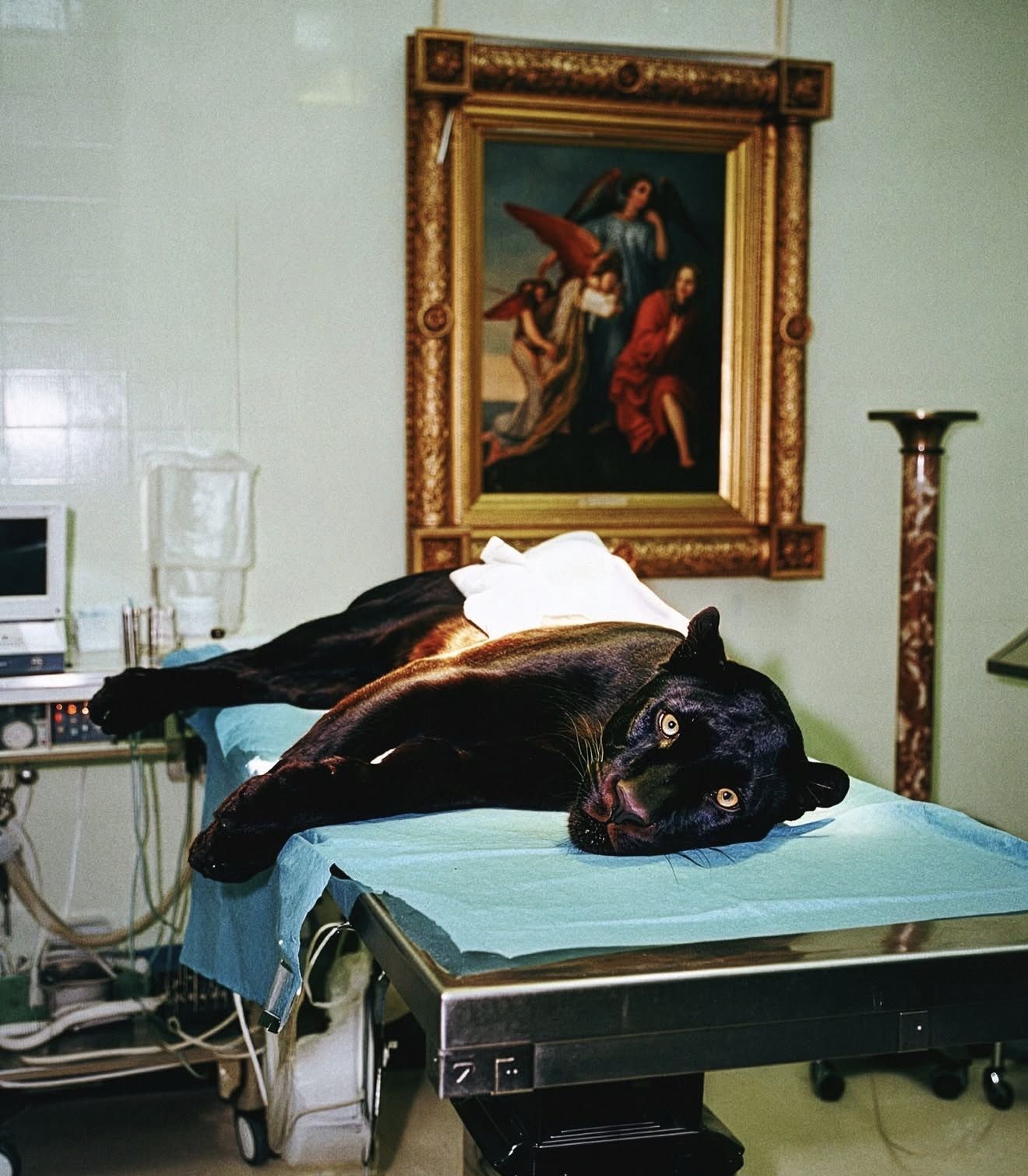
Ces» I would say “collision.” My work is about things that shouldn’t normally exist together meeting in the same frame»
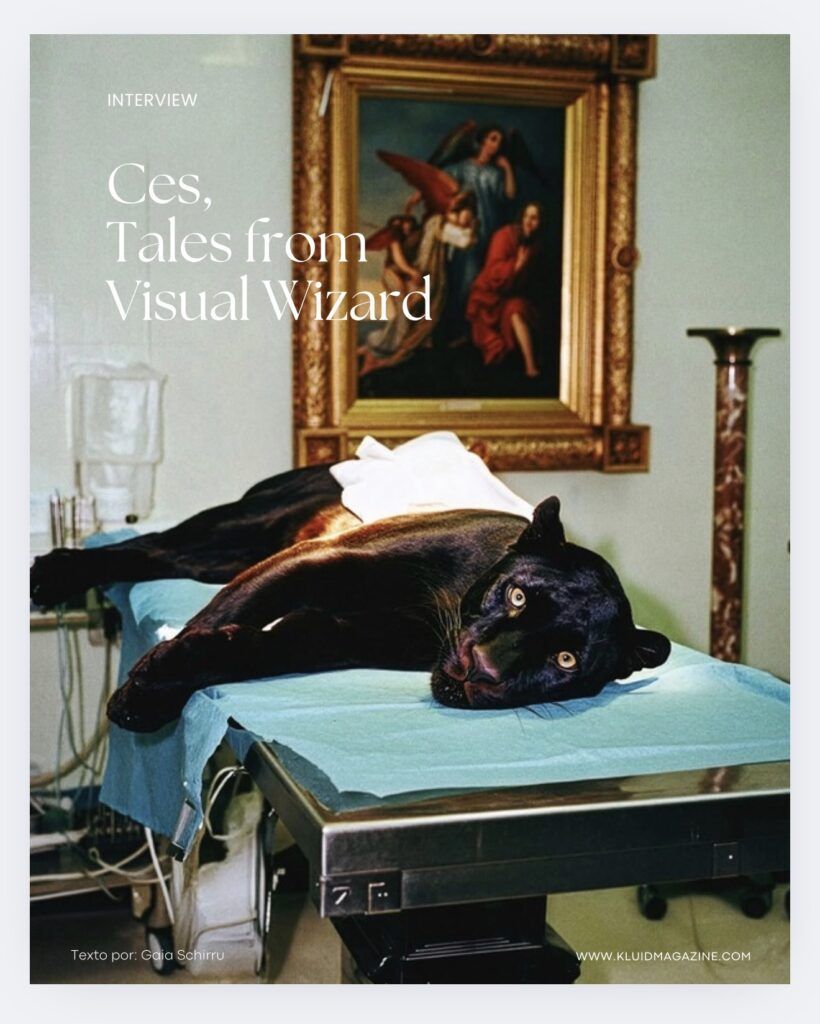
I would say “collision.” My work is about things that shouldn’t normally exist together meeting in the same frame — tradition and technology, street culture and luxury, the local and the global. That friction is where meaning appears for me.
At the age of 17, you experienced a key moment in your artistic journey. Can you tell us what that “click” was like and how you felt?
It felt like suddenly realizing that the world could be translated, not just observed. I understood that images weren’t only about beauty, but about memory, identity, and perspective. It wasn’t confidence — it was more like inevitability. I knew I wouldn’t be able to stop creating after that moment.
Your work spans many disciplines: DJ, photographer, AI image generator… How does it feel to combine all of this in a single career? And how does it influence the way you communicate with the world?
To me, they’re all the same language spoken with different accents. DJing taught me rhythm, photography taught me patience, and AI taught me how to think conceptually at scale. Combining them allows me to communicate more honestly, without being trapped in one medium or definition.
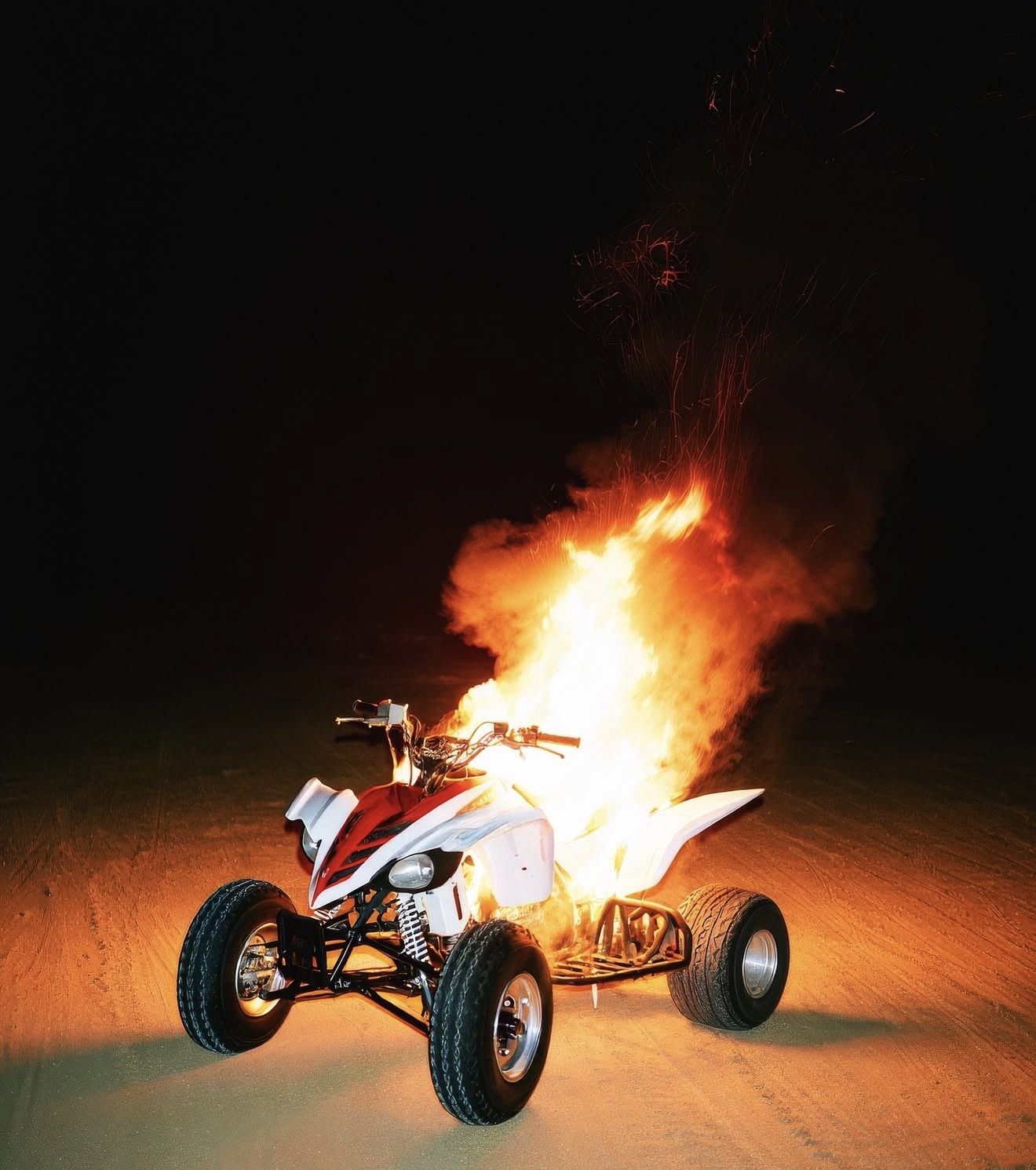
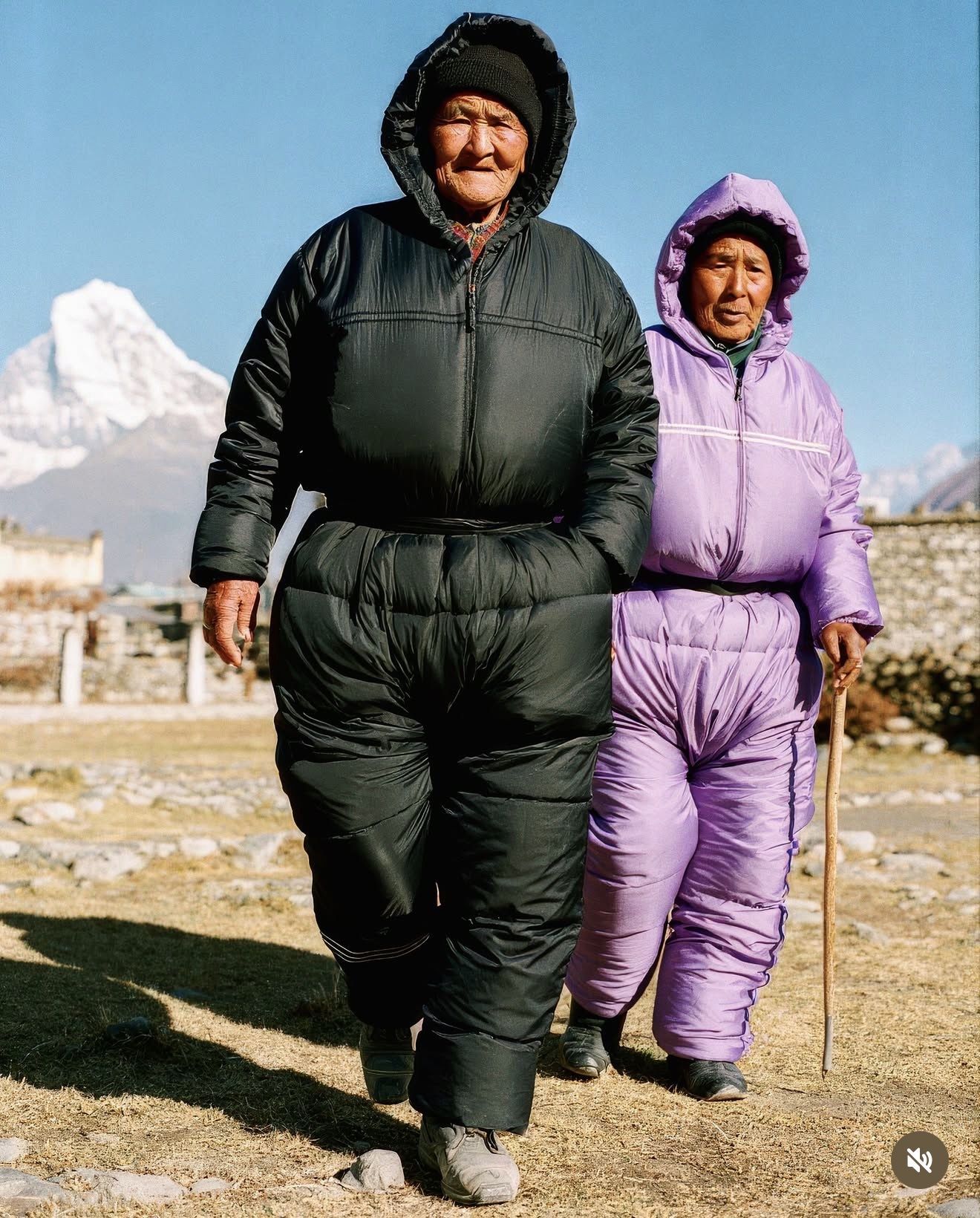
Your work has one foot in the commercial world and the other in the purely artistic. How do you manage to keep your identity intact when working for a brand?
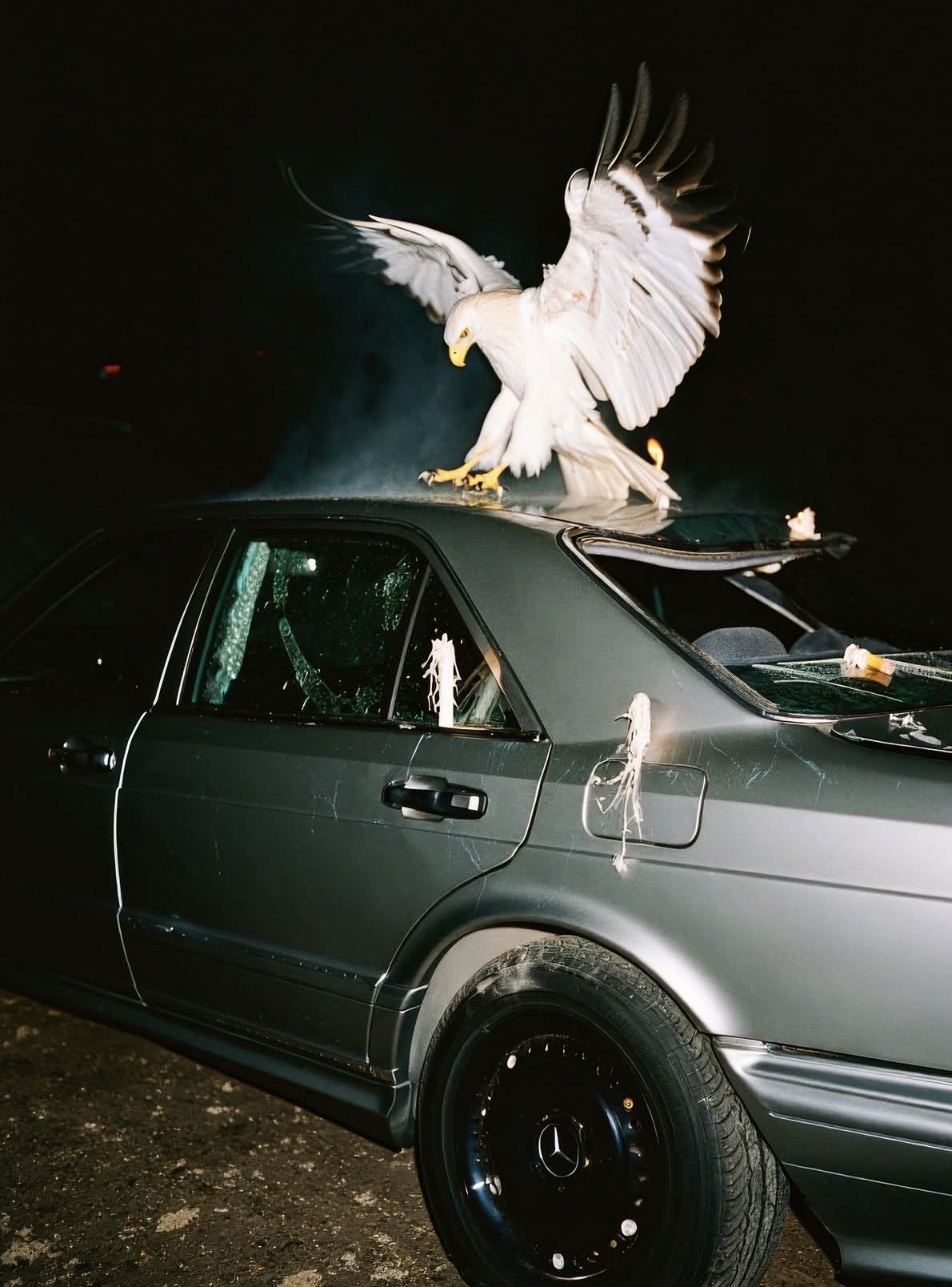
I treat brands like collaborators, not clients. If my perspective disappears, the work loses its value anyway. I only say yes to projects where I can bring my own world into theirs — not the other way around.
You’ve mentioned that your biggest influence is your home country, Turkey, with its rich and diverse artistic history. Which movement or influence do you feel has shaped your creative process the most, and how does it show up in your work?
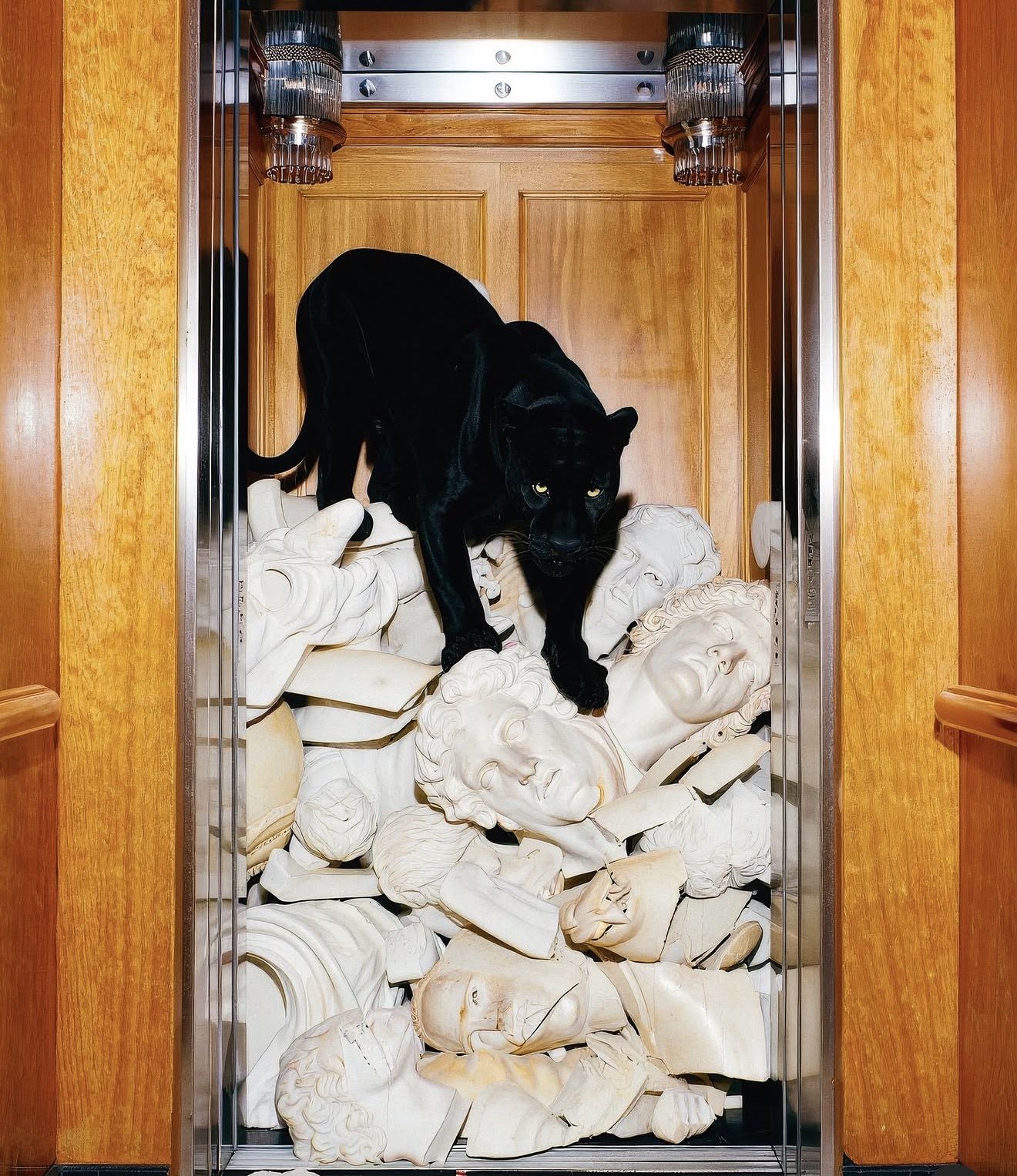
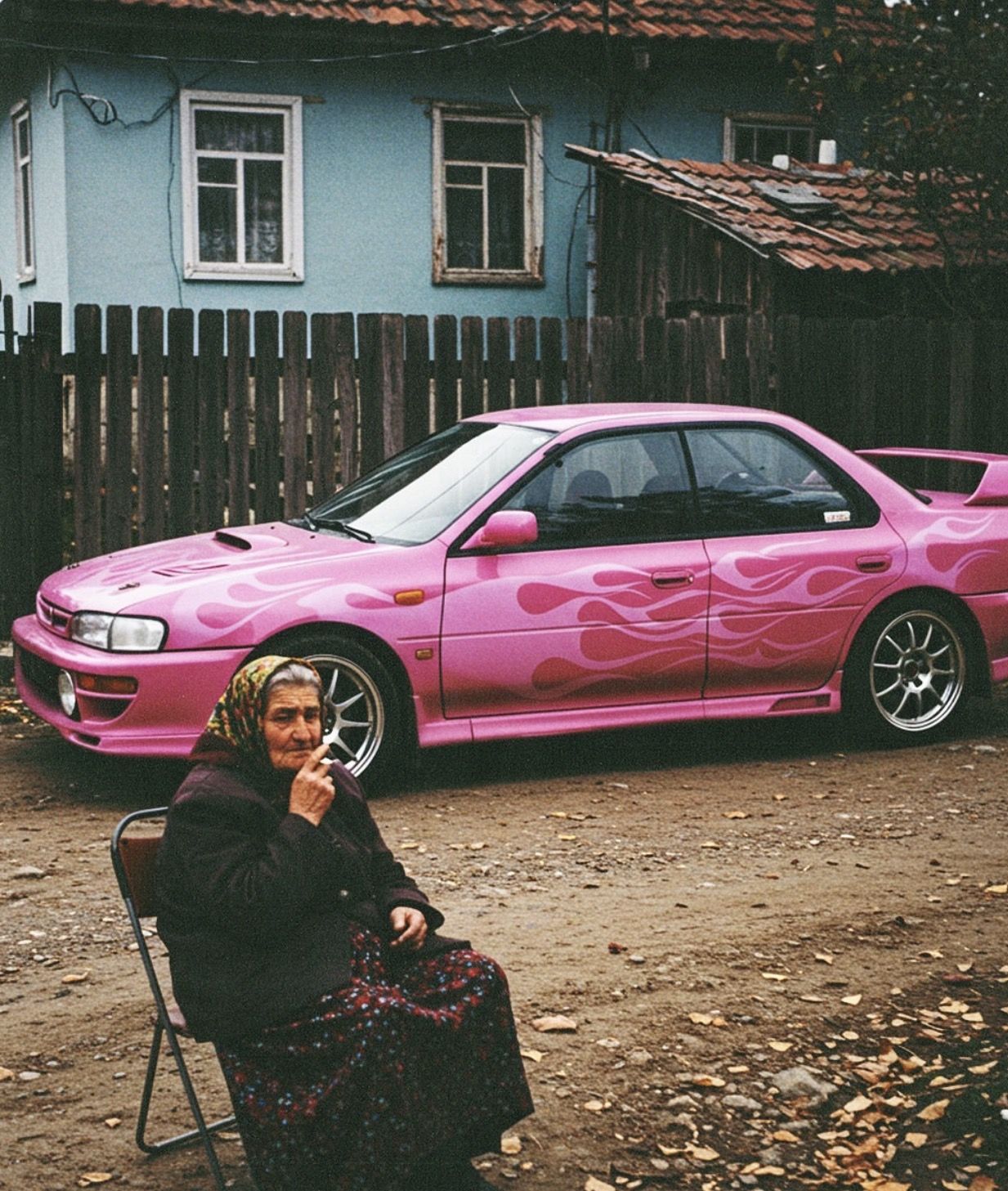
It’s not a single movement — it’s the coexistence of contradictions. Ottoman ornamentation next to brutal concrete, spirituality next to chaos. That tension shows up in my work through contrasts: harsh flash, minimal compositions, and everyday Turkish figures placed into unexpected, almost surreal contexts.
Moving closer to your hometown, Istanbul, which features heavily in your work: is there any aspect of the city that you find most difficult to capture through your art? Why?
The emotional weight. Istanbul isn’t just visual — it’s layered with nostalgia, loss, humor, and resilience all at once. Translating that invisible feeling into a single image is always the hardest part.
How do you feel about the art being made today? What do you think might happen? Both in terms of how it is experienced and how it is communicated.
Art is becoming faster and louder, but also more fragile. I think we’ll see a shift where authenticity and intention matter more than polish. How art is communicated will keep evolving, but what people truly connect with will always come from honesty.
Is there a goal as an artist that is still on your bucket list? How much can you tell us about it?
I want to create a body of work that exists both as an exhibition and as a living archive — something that blends physical space, AI, sound, and memory. Not just to be seen, but to be experienced over time. I’m already slowly building toward that.